

Did You Know Chores Could Help Your Special Needs Child with Several Different Life Lessons?
November 10th, 2020Did You Know Chores Could Do More for Your Child Than Just Help Keep the House Tidy? Giving your child with special needs some chores to do around the house can be beneficial not only for you as a parent (saving you time), but also for your child. In fact, according to the Autism Awareness

5 Benefits of Chores for Your Special Needs Child
October 20th, 2020When the dishes have piled up, the windows feature fingertip art, the floors have several days’ worth of grime, and you haven’t found time to fill the dog bowl, who can you call on to help? Your children! Sure, doing it yourself is probably easier, quicker, and more to your liking. However, children of all

Muscular Dystrophy and Why Pediatric Therapy is So Important
October 10th, 2020As one of the most frequently inherited disorders worldwide, muscular dystrophy affects boys almost exclusively. Approximately 1 in 3,500 to 6,000 males born in the United States has Duchenne muscular dystrophy, the most common form of muscular dystrophy in children. Although there are several types of muscular dystrophy, they all involve muscle weakness and a

Core Strengthening Tricks to Do With Your Kid Today
September 20th, 2020When parents come home with a newborn, the importance of “tummy time” comes up repeatedly. Colorful toys promise endless hours of tummy time enjoyment for your little one. Yet if you’re like many parents, the reality looks more like this: Place Baby on the floor on his tummy; listen to him scream; shake toys in

Treating ADHD Through Pediatric Therapy
September 10th, 2020Behavioral therapy is a strategy parents can use to treat their child’s ADHD. Behavioral therapy is often effective at helping a child control her impulsiveness, hyperactivity, and inattentiveness. Pediatric therapy along with at-home strategies is helpful at improving the ADHD child’s overall behavior. Pediatric Therapy for ADHD Many doctors recommend behavior therapy as a form

What’s the Deal with W-Sitting?
August 20th, 2020There is a great deal of controversy over a sitting position common for young children, called W-sitting. W-sitting, so named because the legs splay out to form a W pattern, has been associated with causing several developmental orthopedic problems and doctors have warned to discourage children from assuming this position. Though there are some pediatricians
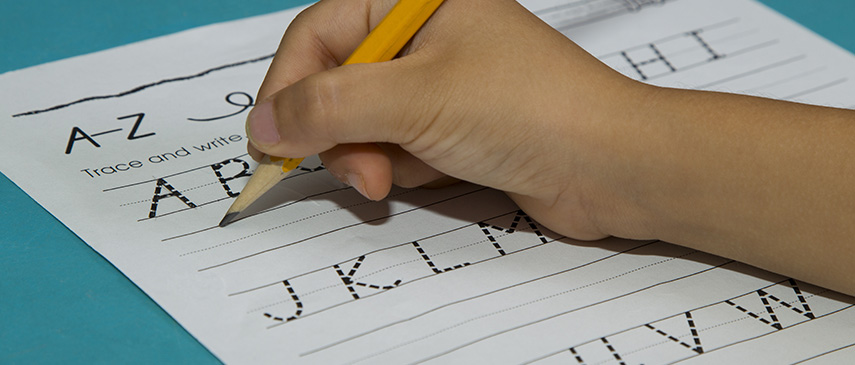
Handwriting without Tears: Tips for Practicing Handwriting with your Child
August 10th, 2020Handwriting is a multifaceted process of coordinating hands, arms, eyes and body posture. While it is undoubtedly important for writing– in fact, K-5 teachers indicate that 24 to 58 percent of classroom time is spent writing on paper — it is also a building block for many other skills. Being able to print letters clearly

7 Tips to Surviving the Holidays with your Special Needs Child
July 20th, 2020For many parents of children with special needs, the stretch of time between October and January can feel like one big inhale. Between dressing up for Halloween, socializing over Thanksgiving, turning back clocks for Daylight Savings, and of course, the countless festivities associated with Hanukkah, Christmas, Ramadan, and other holidays, there are a lot of

Helping Your Child Cope with a Traumatic Event
July 10th, 2020Traumatic events can happen to anyone, however, children lack the coping mechanisms that adults have developed and are especially vulnerable to the effects of trauma. As a parent, you may feel powerless to help your child pull through a traumatic event such as a serious accident, a violent attack or the death of a loved

Make Therapy Fun! Try These 3 Physical Therapy Exercises That Your Child Will Actually Enjoy
June 20th, 2020A child’s work is play, so creativity, fun and games are instrumental to making therapy a success. Yet it isn’t just in the office that a child’s muscles need to work. They also need strength and endurance-building activities at home. Just as is the case in therapy, it’s important to make activities fun at home.
-

Are You Ready To Live Pain-Free?
Request Appointment Latest Health Posts

SUBSCRIBE TO OUR HEALTH BLOG