
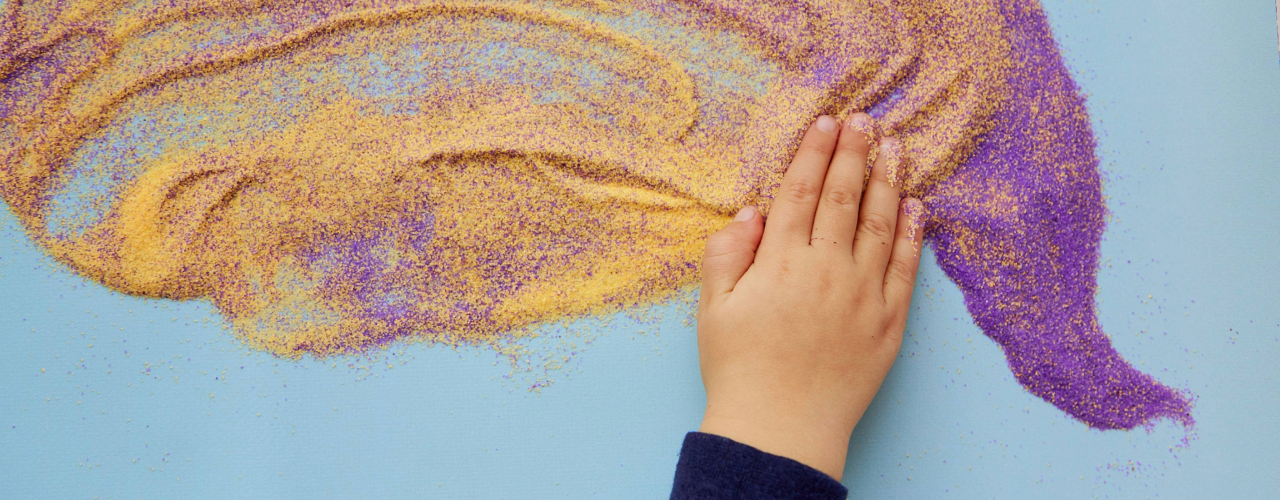
10 Sensory-Friendly Activities for Kids with Sensory Issues
May 20th, 2026Children with sensory issues often experience the world in a way that feels overwhelming, frustrating, or confusing. Everyday sights, sounds, textures, and movements can cause discomfort—or even distress. However, sensory-friendly activities are a great way to help children engage with their environment in a safe and enjoyable way. The team at has gathered some of

Improving Fine Motor Skills in Children with Occupational Therapy
April 10th, 2026Many children struggle with tasks like holding a pencil, buttoning a shirt, or using scissors. These everyday actions rely on coordination, hand strength, and finger control, collectively known as fine motor skills. When these skills don’t develop as expected, it can affect a child’s confidence and independence. That’s where occupational therapy steps in. Therapists work

Sensory Processing Tips for Daily Activities
March 20th, 2026For many children, daily routines like dressing, eating, or brushing their teeth can feel overwhelming. That’s often because of how their brains interpret and respond to sensory input. Lights may feel too bright, clothing may feel too scratchy, or even gentle sounds may seem too loud. These challenges, related to sensory processing, can affect a

Identifying and Addressing Speech Development Delays
March 10th, 2026When your child isn’t hitting the same milestones as their peers, it can be difficult to know what’s typical and what may need support. For many families, the first signs of speech development delays appear subtly—missed words, unclear sounds, or difficulty expressing needs. However, these seemingly minor concerns can become more impactful if left unaddressed.
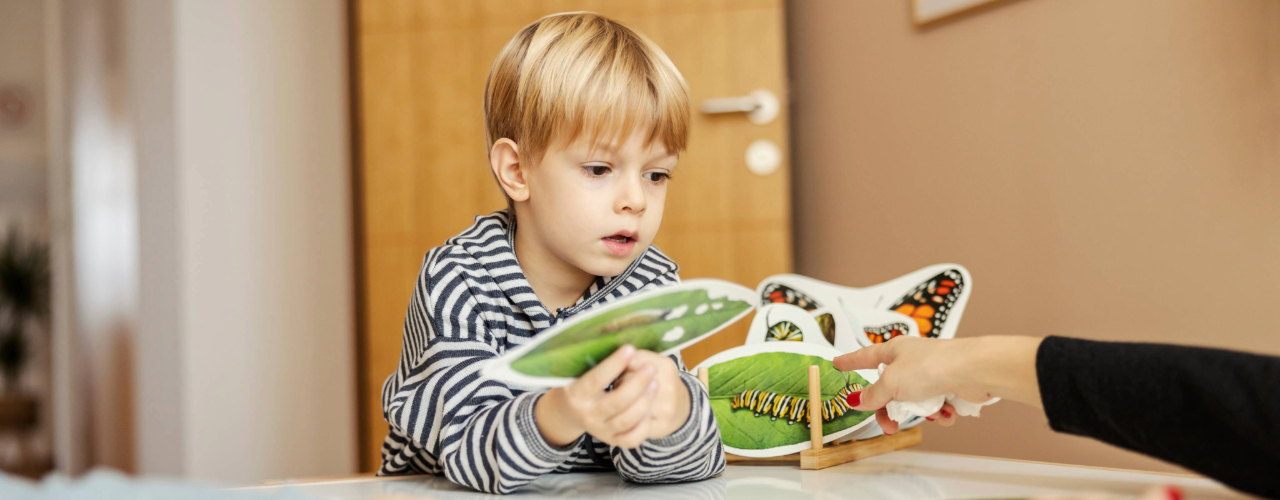
Top Speech Therapy Techniques for Children at Home
February 20th, 2026Supporting your child’s communication skills doesn’t have to stop at the clinic door. Many families are surprised to learn how important at-home speech therapy techniques are for helping children improve speech and language skills. Whether your child is just starting speech therapy or continuing progress between visits, practicing at home makes a big difference. At

Understanding Motor Skills Development in Children
February 10th, 2026As children grow, they experience many important firsts–like their first time crawling, their first time taking a step, and their first time drawing a picture. These firsts are part of a process called motor skills development, which refers to how children gain control over their body movements. Understanding how these skills unfold—and when delays may
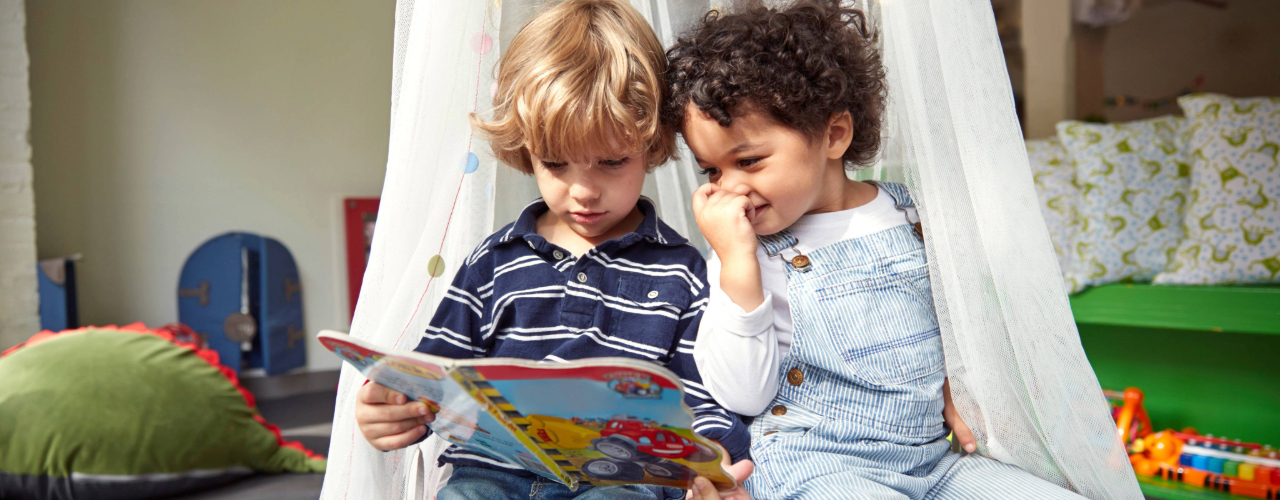
How Occupational Therapy Helps Children with Autism
January 20th, 2026When a child is diagnosed with autism, families often face a whirlwind of information and questions. What support is available? What therapies can help? However, one evidence-based treatment that can make a big difference is occupational therapy for autism. Occupational therapy (OT) focuses on helping kids build the skills they need to participate more fully
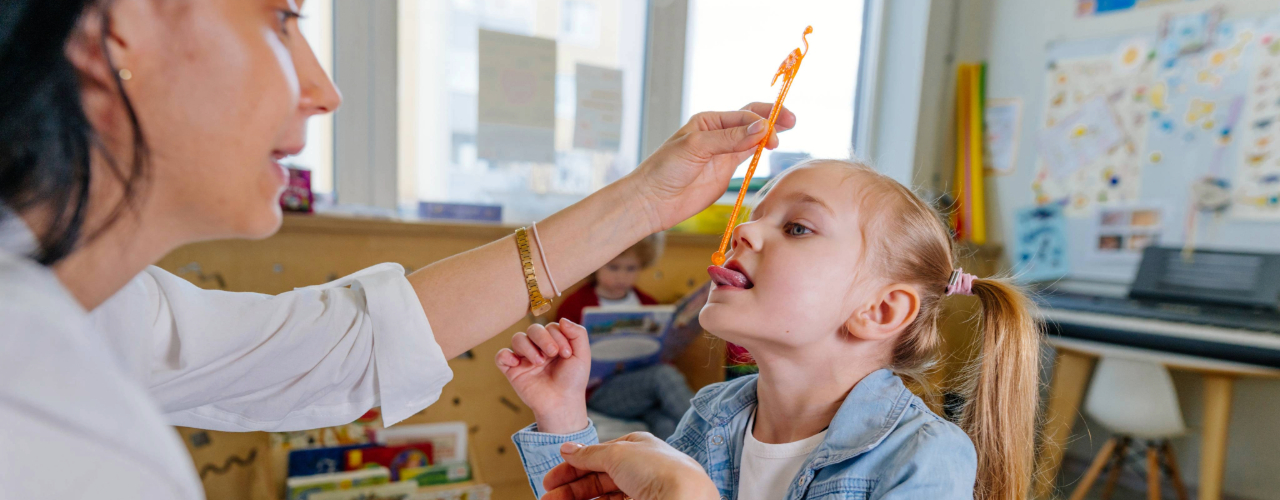
What is Dysarthria in Children? Causes and Treatments
January 10th, 2026When your child struggles to speak clearly, it can be hard to know what’s going on or how to help. One condition that may be affecting their speech is dysarthria in children. This neurological speech disorder can cause slurred or slowed speech, making it difficult for kids to express themselves and be understood. The good
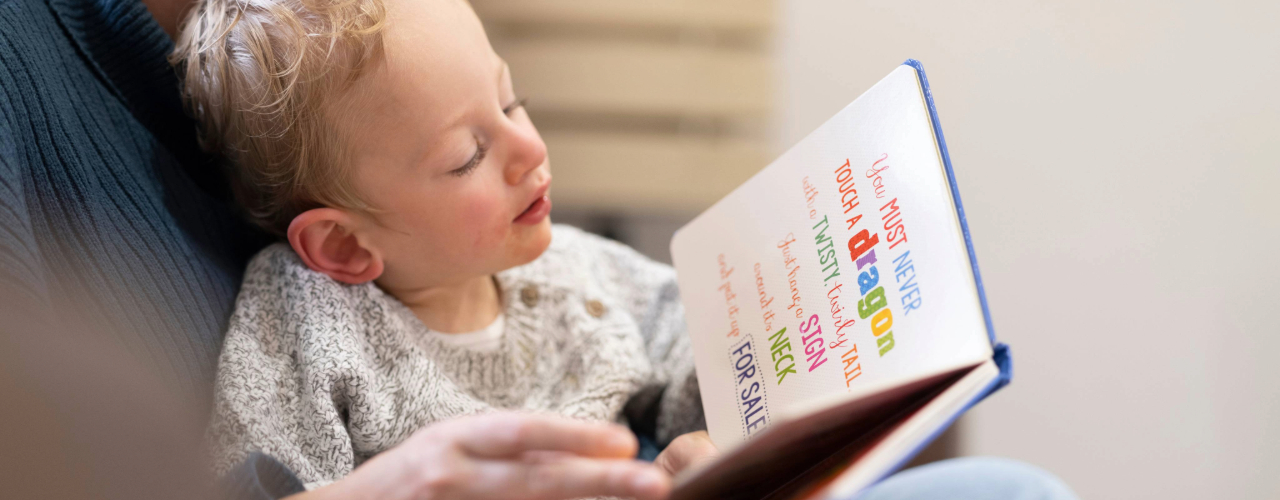
Early Intervention in Developmental Delays: Why Timing Matters
December 20th, 2025When a child isn’t hitting key milestones, such as crawling, speaking their first words, or feeding themselves, it’s easy to wonder if they’ll catch up with time. But for many families, waiting may not be the best option. The importance of early intervention lies in how quickly a young brain and body can adapt, grow,

Managing Sensory Feeding Issues in Children
December 10th, 2025Mealtimes can be stressful for families when children refuse certain textures, gag at new foods, or eat only a limited variety of items. These patterns often go beyond picky eating and may be signs of an underlying sensory challenge. Sensory feeding issues occur when a child’s nervous system reacts strongly to the taste, smell, texture,
-

Are You Ready To Live Pain-Free?
Request Appointment Latest Health Posts

SUBSCRIBE TO OUR HEALTH BLOG
