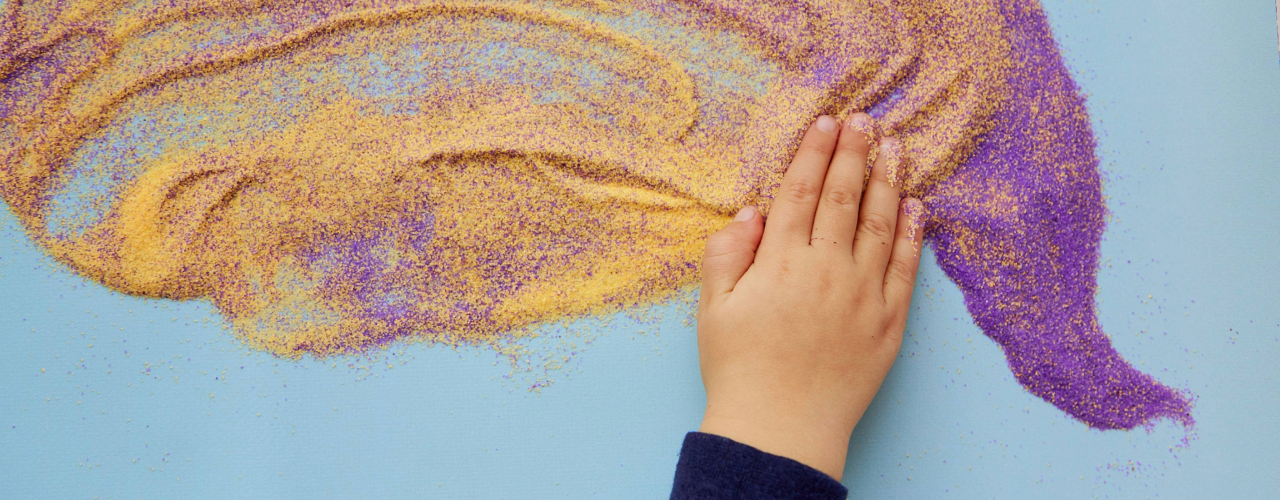

Learn How We Make Occupational Therapy For Fine Motor Skills Fun And Engaging For Children
Fine motor skills are essential for a child’s development. They enable them to perform precise movements using the small muscles in their hands and fingers. These skills are important to develop for everyday tasks such as writing, eating, and buttoning clothes. Occupational therapy can provide targeted interventions for children with specific challenges to build and foster their children’s fine motor skills through play.
Engaging in playful activities enhances dexterity and coordination and makes learning enjoyable for your little one. In this article, we will explore various creative ways to incorporate fine motor skill development into your child’s daily routine.
Fun With Fine Motor Skills Development
Fine motor skills are not just about mastering specific tasks; they also contribute to a child’s overall development and well-being. As children refine their fine motor skills, they gain confidence in their abilities and become more independent in self-care activities. Plus, strong fine motor skills lay the foundation for academic success because they are necessary for handwriting, using scissors, and manipulating learning materials.
Our dedicated occupational therapists incorporate a wide range of play-based activities to keep therapy fun and engaging for their patients.
Playdough Fun
- Playdough provides endless opportunities for strengthening hand muscles and improving hand-eye coordination. Encourage your child to roll, pinch, squeeze, and shape the playdough into various forms. You can also use cookie cutters, rolling pins, and other tools to add more complexity to the activity.
Threading and Beading
- Threading beads onto a string or pipe cleaner is a classic activity that promotes fine motor skills and concentration. Start with larger beads and gradually introduce smaller ones as your child’s skills progress. You can create necklaces, bracelets, or even decorate objects with the beaded creations.
Puzzles and Building Blocks
- Puzzles and building blocks challenge children to manipulate small pieces, enhancing their hand-eye coordination and spatial awareness. Choose age-appropriate puzzles with varying levels of difficulty and encourage your child to experiment with different block constructions.
Drawing and Coloring
- Drawing and coloring are not only creative outlets but also excellent for refining fine motor skills. Provide your child with various drawing tools like crayons, markers, and pencils, and encourage them to experiment with different strokes and patterns.
Scissor Skills
- Cutting with scissors requires hand strength and coordination. Start with simple activities like snipping straws or playdough and gradually progress to cutting along straight and curved lines. Ensure proper supervision and use child-safe scissors.
Everyday Tasks
- Incorporate fine motor skill practice into everyday tasks. Let your child help with activities like buttoning their clothes, zipping up their jacket, or pouring water into a cup. These real-life applications reinforce the importance of fine motor skills and provide a sense of accomplishment.
Our therapists understand that the key to enhancing motor skills through play is to make it enjoyable for your child. We choose activities that align with their interests and provide positive reinforcement for their efforts, and celebrate victories both big and small to encourage them to explore their creativity.
Fine Motor Skill Development Through Play At Endeavors Pediatric Therapy Services
Developing fine motor skills is a crucial aspect of a child’s growth and development. Through playful activities, parents can actively contribute to their child’s dexterity, coordination, and overall independence. By making learning fun and engaging, you can ensure that your child enjoys the process of mastering these essential skills. So, let your child’s imagination soar as they embark on a journey of fine motor skill development through play.
Tags: occupational therapy, child development, fine motor skills, play-based therapy