Discovering the Vital Role of Physical Therapy in Boosting Social Growth
Most parents recognize the value of physical therapy in enhancing their child’s motor skills. Physical therapy for social development is also a key component in nurturing your child’s overall development. Physical therapy is a world where every step, leap, and stretch can be a bridge to better social interactions.
Imagine young Alex, a bright 6-year-old with a social developmental disorder. While most kids his age are engrossed in playground banter, he often stands on the sidelines, unsure how to join in. Tasks like maintaining eye contact or initiating a simple game of catch become challenging. The world, filled with potential friends and playmates, can seem distant and confusing.
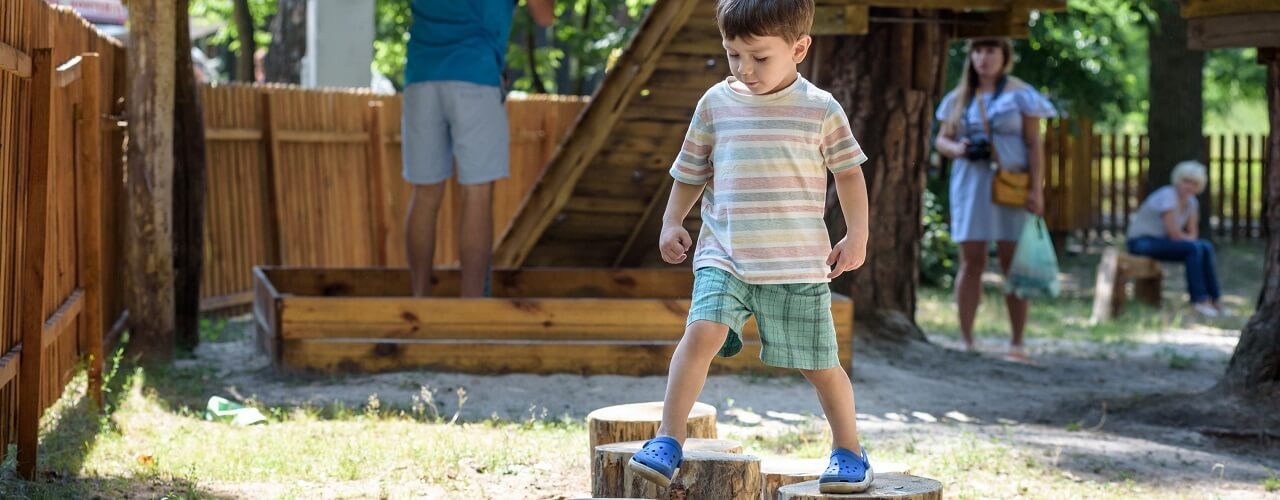
But with pediatric physical therapy, Alex’s journey takes a hopeful turn as he conquers balance exercises or achieves a new motor milestone, and his confidence surges. These achievements, though physical in nature, translate into social triumphs. Successfully catching a ball can mean the beginning of a game with peers. Mastering a balance beam can lead to playful interactions and friendship.
The world of physical therapy is rich with opportunities for children like Alex. It’s not just about movement – it’s about connecting, growing, and thriving in a social world.
Call our clinic or continue reading to discover if this approach is key to unlocking your child’s social potential!
Understanding the Role of Physical Therapy for Social Development
Social development disorders, sometimes referenced in medical terms as “SDDs,” encompass a range of conditions that can make social interactions challenging for children. While these terms might sound complex, the core concept is simple: they refer to conditions where a child’s ability to interact, communicate, or form relationships might develop differently than their peers.
So, what does this look like in everyday life? Parents may notice certain signs:
- Difficulty making or maintaining eye contact.
- Challenges in understanding social cues, like facial expressions or tone of voice.
- Reluctance or hesitancy to engage in group play or conversations.
But what’s at the root of these disorders? Causes can vary, including genetic factors, complications during birth, or certain environmental influences. Importantly, while some children might have risk factors, it doesn’t guarantee they’ll face these challenges.
Physical therapy is about more than just addressing motor challenges. Through specific movement exercises and techniques, it can become a potent tool in supporting children with social development disorders. Achieving physical milestones often parallels strides in confidence, communication, and improved social interactions.
Remember, if you’ve noticed signs that resonate with your child’s behavior, a world of support and strategies is waiting to be explored. Physical therapy is that guiding light, illuminating a pathway to richer social experiences and connections.
The Magic Behind Movement: Empowering Children for Better Social Connections
Physical therapy for social development isn’t just a phrase; it’s a transformative journey that integrates a child’s physical milestones with their social confidence. Remember Alex? Through PT, he not only learned to move with ease but also to interact and connect. So, how does this magical process work?
First and foremost, every journey begins with a thorough assessment. Our seasoned pediatric PTs dive deep to understand your child’s unique strengths and areas needing support. This assessment forms the foundation of a tailored plan, targeting both movement and social development.
Drawing from our vast toolbox of treatments we typically include the following:
- Mobility Work: Enhances freedom of movement.
- Balance and Coordination: Boosts confidence in group activities.
- Strengthening: Builds physical strength, translating into emotional resilience.
- Home Education: We ensure you’re equipped with knowledge and exercises to support your child’s journey at home, making every moment a step towards better social connections.
With every stretch and every balanced step, our PTs utilize evidence-based strategies, ensuring your child gets the best, most effective care. It’s a dynamic process, always adapting to what works best for the child.
And here’s the comforting part: our clinic is more than just a treatment space. It’s a sanctuary of support, understanding, and guidance. Have a question? Are you concerned about a strategy? Or need a listening ear? We’re here, always prioritizing your child’s overall satisfaction and recovery.
Physical therapy goes beyond just movement; it’s about shaping confident, social beings ready to take on the world with enthusiasm. And with expert PTs by your side, a world of enriched social connections awaits your child.
Your Child’s Blueprint to Flourishing Social Development
Like every puzzle, every child’s social development journey is unique. And to truly harness the myriad of benefits PT brings, a personalized approach is paramount. If you’ve read this far, perhaps there’s a niggling curiosity, a budding question, or a hope that this might be the key for your child.
Why stay in wonder? Call Endeavors Pediatric Therapy Services today to learn more about social development disorders. Understand the realm of possibilities, and, more importantly, learn if this treatment is right for your child!
Sources:
- https://link.springer.com/article/10.1007/s40489-022-00319-5
- https://academic.oup.com/ptj/article/99/6/761/5364549
- https://pubmed.ncbi.nlm.nih.gov/32991554/
- https://www.ncbi.nlm.nih.gov/pmc/articles/PMC6855355/
Tags: Pediatric Physical Therapy, social developmental disorder, social development