
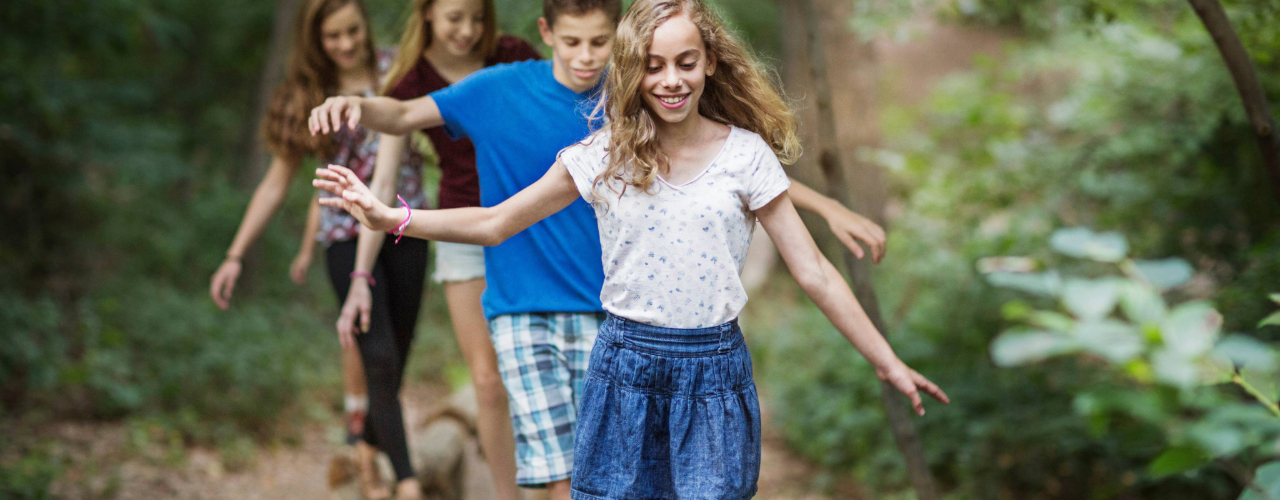
If your child frequently trips, avoids climbing at the playground, or seems unsure on their feet, it may be more than just a clumsy phase. These signs could point to balance issues in children, which can affect their confidence, physical development, and participation in everyday activities.
The good news? With help from the team at Endeavors Pediatric Therapy Services, your child can improve their balance and coordination. Our targeted support addresses pediatric balance issues at their root and meets kids where they are to help them thrive.
We know most people don’t associate balance challenges with kids. That’s why we prepared this list of commonly asked questions to help you better understand balance issues in children. If you have any specific questions, don’t hesitate to give us a call!
Understanding Pediatric Balance Challenges: What You Need to Know
1. What are balance issues in children?
Balance issues in children cause difficulty staying upright and stable during movement or while standing still. These challenges can affect a child’s ability to walk smoothly, play safely, or complete tasks that require coordination.
2. What causes balance problems in kids?
There are several reasons a child may struggle with balance. Some of the most common causes include:
Muscle Weakness or Low Tone
- Children with less core or leg strength may struggle to stay upright and stable.
Sensory Processing Issues
- If the brain has trouble processing input from the body and surroundings, a child may not react appropriately to movement or uneven surfaces.
Developmental Delays
- Some children take longer to reach physical milestones like sitting, crawling, or walking. These delays can affect balance, especially if strength or coordination is limited.
Neurological Conditions
- Conditions like cerebral palsy, muscular dystrophy, or traumatic brain injury often affect muscle control and coordination, leading to balance concerns.
Vestibular Dysfunction
- The inner ear helps the body sense movement and position. When this system isn’t working well, balance can suffer.
3. How can pediatric therapy help with balance issues in children?
Our pediatric therapists use various techniques to improve balance and coordination. A customized therapy plan can help your child build strength, confidence, and motor skills through:
- Core strengthening exercises
- Balance challenges like walking on soft surfaces or stepping over objects
- Vestibular activities such as spinning, swinging, or rolling
- Sensory integration therapy to improve body awareness and coordination
- Functional movement training that mimics everyday play and movement tasks
- At-home strategies to continue progress between sessions
4. When should I be concerned about my child’s balance?
Some balance troubles are normal during growth and development, especially for toddlers. But you may want to speak with our team if you notice any of the following:
- Frequent falls after age 3
- Avoidance of physical activity or gross motor tasks
- Poor coordination during running, hopping, or jumping
- Trouble navigating uneven surfaces or stairs
- Difficulty standing still without swaying
5. What happens during a therapy evaluation?
Your child’s first appointment at Endeavors Pediatric Therapy Services will consist of an in-depth evaluation to assess your child’s strength, motor skills, posture, and sensory responses. The evaluation may include:
- Observing walking, running, and climbing
- Testing balance on different surfaces
- Checking for muscle weakness or tightness
- Assessing how the child processes movement-related information
We then use the information from the evaluation to develop a personalized plan that addresses your child’s specific needs and goals.
6. Can kids really improve their balance through therapy?
Yes! Children with balance issues often make significant progress through therapy. A consistent and playful approach, guided by a skilled pediatric therapist, can help children:
- Improve postural control
- Move more confidently and independently
- Participate more fully in school and play
- Reduce the risk of falls and injuries
Take the Next Step Toward Better Balance
If you notice signs of balance issues in your child, don’t wait to see if they “grow out of it.” Early support can significantly impact your child’s physical development and confidence.
Contact Endeavors Pediatric Therapy Services today to schedule an evaluation and learn how pediatric therapy can help your child move, play, and grow with better balance.
Tags: child development, motor skills, balance issues, movement coordination