
If your child has recently been diagnosed with cerebral palsy, you may be reeling: what does this mean for them? What treatment options are available? Is there anything you can do to unlock their potential? While there’s a lot to take in, one thing you should be thinking about is pediatric physical therapy for cerebral palsy.
Cerebral palsy is an umbrella term for a group of motor disorders that are the primary source of childhood motor disability. These conditions are caused by abnormalities in the brain that affect how the person controls their muscles.
Every child’s experience with cerebral palsy is different. Accompanying symptoms can vary wildly, and the condition can be mild or severe. The good news is that cerebral palsy doesn’t worsen over time–and even better, treatments like pediatric physical therapy can actually lessen its impact and improve the patient’s quality of life.
The pediatric therapists at Endeavors Pediatric Therapy Services have extensive experience working with kids who have cerebral palsy. We can help your child improve both their fine and gross motor skills, working with them to gain mobility and independence. And we do it all in a fun, playful environment.
This quick overview of cerebral palsy can help you better understand your child’s condition and physical therapy’s role in managing it. You can also call our Statesville office to schedule a consultation to learn more about how we can help your child specifically.
What Is Cerebral Palsy? Types, Symptoms, and Related Conditions
There are three main types of cerebral palsy. Spastic cerebral palsy is the most common, affecting around 80% of people with CP. It causes an increase in muscle tone, leading to stiff muscles and awkward movements. We further classify spastic CP by the area of the body it affects (i.e., the legs, one side of the body, etc.).
The other two types of CP are dyskinetic and ataxic cerebral palsy. Dyskinetic CP makes it difficult for the patient to control the movement of their limbs. Ataxic cerebral palsy causes issues with balance and coordination. And finally, some people will have mixed cerebral palsy, meaning they show symptoms of multiple types.
One thing all three types of cerebral palsy have in common is that they affect movement and posture. In fact, mobility difficulties are the main symptom of CP, although they can manifest in different ways:
- Weakness in one or more legs (making it difficult to walk)
- Unusual walking patterns, such as walking on the tones or having a “scissored” gait
- Muscle tone that is either too stiff or too floppy
- Tremors/shaking
- Delays in developing gross motor skills (large movements that use the entire body and large muscles)
- Delays in developing fine motor skills (small movements that require precision and use the small muscles in our hands and fingers)
Some people with cerebral palsy will also experience accompanying symptoms and conditions that are not related to movement:
- 30%-50% will have some form of intellectual disability
- 50% will have experience seizures
- 75% will experience some form of speech or language disorder
Other common conditions associated with CP include scoliosis (a curved spine), osteoarthritis, impaired vision, hearing loss, and delayed growth. However, it’s important to remember that every case of CP is different!
Pediatric Physical Therapy’s Role in Treating Cerebral Palsy
Because cerebral palsy is primarily a motor disorder, physical therapy is crucial to CP treatment. The pediatric physical therapists at Endeavors Pediatric Therapy Services can help improve your child’s movement development and overall functionality to meet your child’s needs, abilities, and interests.
It’s important that you begin regular physical therapy as early as possible. Physical therapy in the first few year’s a child’s life is one of the foundational treatments for CP, so if you haven’t begun yet, now’s the time to start!
Pediatric physical therapy for cerebral palsy uses various techniques focused on improving muscular strength, balance, and motor skills. We’ll develop a customized treatment appropriate for your child’s age.
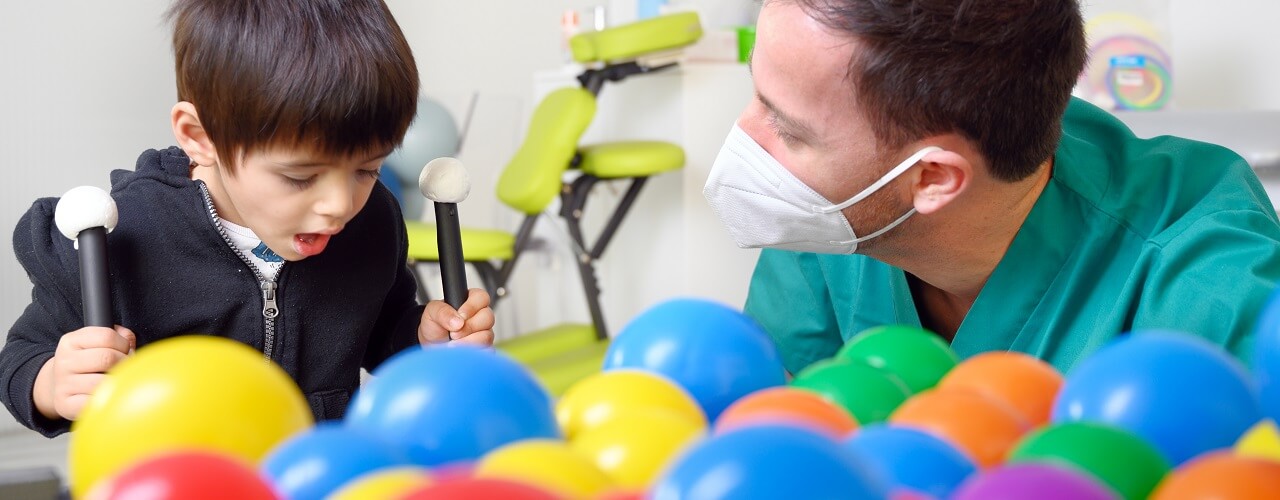
For very young children (four years or younger), treatment time will look like playtime. We’ll use toys and games to facilitate your child’s movement development and help them develop other skills they might struggle with, such as communication, eating, and playing. We’ll also provide you and your family with strategies to continue physical therapy at home.
For older children (ages five and up), we’ll focus on functionality. Your child’s customized plan will grow with them as they hit different milestones, such as starting school or going through a growth spurt.
This is also the stage when we begin really focusing on mobility and fitness. We’ll create personalized exercise programs and help your child find physical activities that they enjoy, such as swimming or cycling. As a bonus, these activities will also help them make friends and be more involved in their community.
Some children with CP require mobility aids, such as braces. Our physical therapists can help your child learn how to use these devices properly so that they can maximize their mobility.
If Your Child Has Cerebral Palsy, Get Started with Pediatric Physical Therapy Today!
Every child deserves to live a rich, full life. Pediatric physical therapy for cerebral palsy at Endeavors Pediatric Therapy Services can help maximize your child’s potential by giving them the tools to improve their overall mobility and functionality.
To learn more about how we can help your child, request an appointment with us today!
Sources:
- https://www.choosept.com/guide/physical-therapy-guide-cerebral-palsy
- https://www.ninds.nih.gov/health-information/disorders/cerebral-palsy
- https://www.cdc.gov/ncbddd/cp/facts.html
Tags: physicaltherapist, physicaltherapy, Cerebral Palsy, Pediatric Physical Therapy, Child Communication